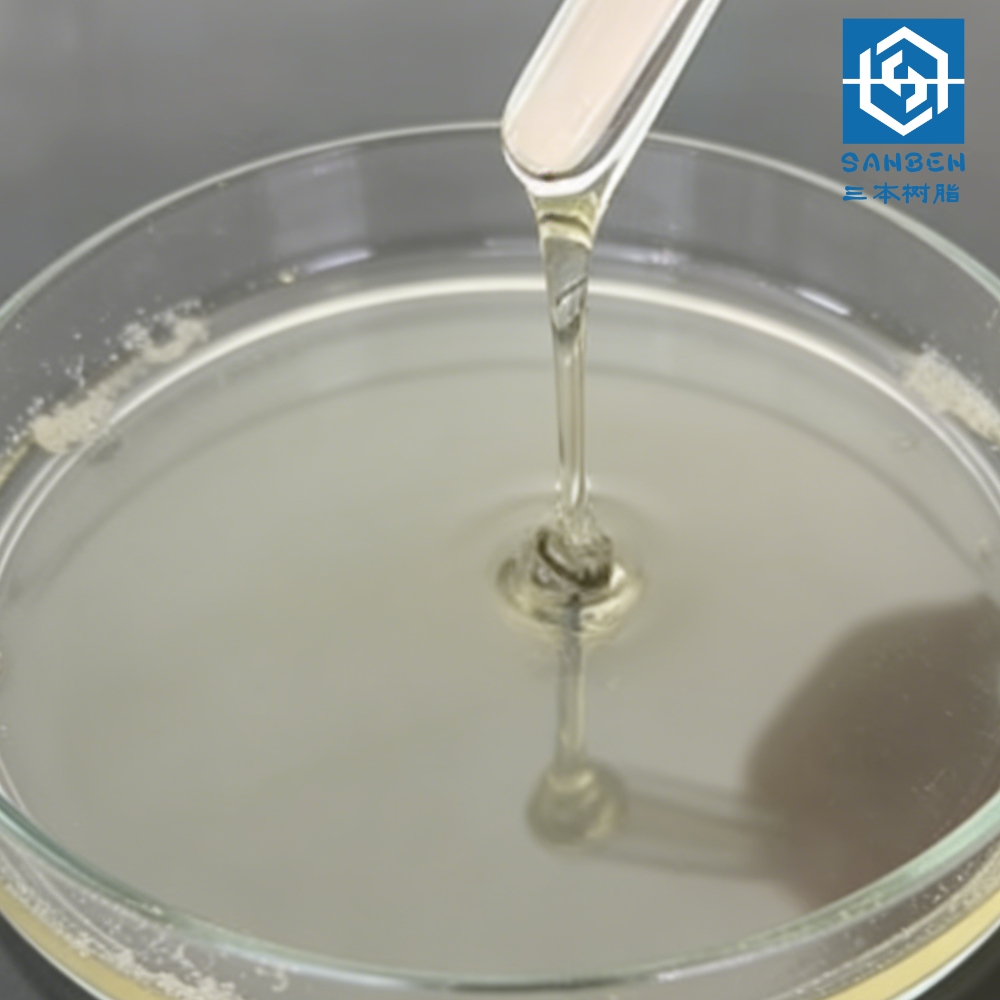
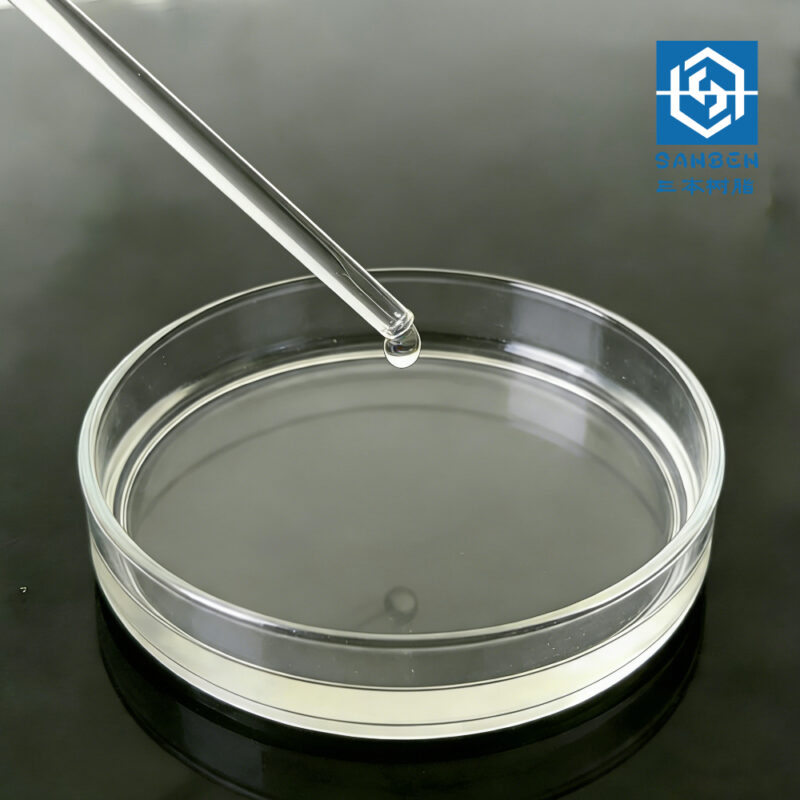
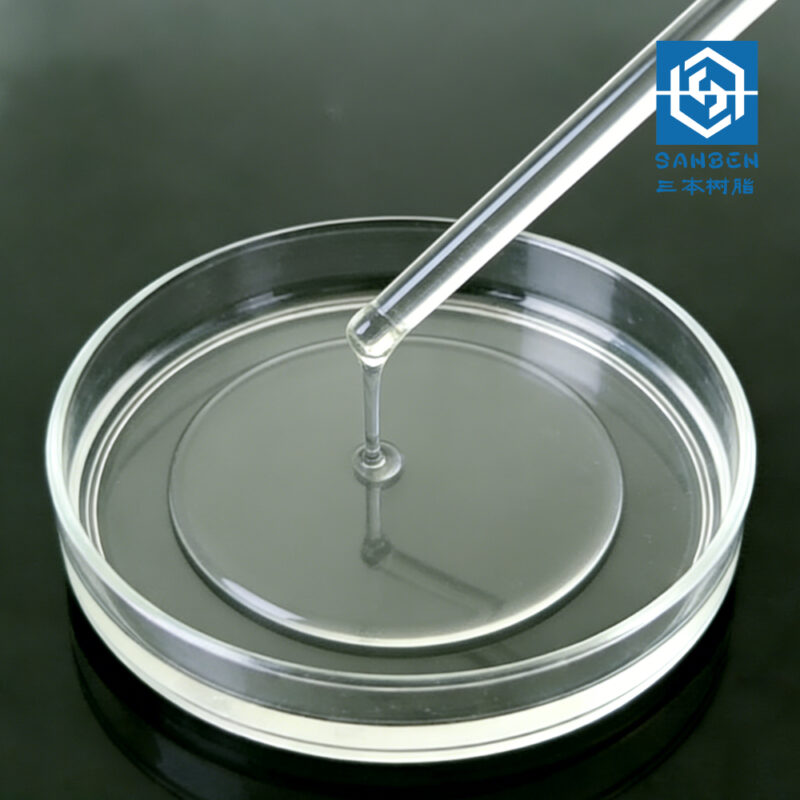
Saturated polyester resin is a type of thermosetting plastic that has become an integral part of various industries due to its unique properties and versatility. It is widely used in applications ranging from construction and automotive to electrical and electronics. This article will explore the characteristics, production process, applications, and the role of saturated polyester resin in different industries. The content is designed to meet the standards for Google indexing and official website articles.
Properties of Saturated Polyester Resin
Saturated polyester resin possesses several key properties that make it suitable for a wide range of applications:
1. Chemical Resistance: It has excellent resistance to chemicals, such as acids, alkalis, and solvents, making it ideal for use in harsh environments.
2. Thermal Stability: The resin can withstand a wide range of temperatures without significant degradation, ensuring its performance in both high and low-temperature applications.
3. Mechanical Strength: It exhibits high tensile and flexural strength, making it durable and reliable for structural applications.
Production Process of Saturated Polyester Resin
The production of saturated polyester resin involves a series of steps:
1. Monomer Synthesis: The synthesis of monomers, typically esters, occurs through reactions between organic acids and alcohols.
2. Polyester Formation: These monomers are then polymerized to form the polyester chain, often with the help of heat and catalysts.
3. Curing: The resulting polyester is cured with a hardener to create a thermosetting plastic that cannot be remelted or reprocessed.
Applications of Saturated Polyester Resin
Saturated polyester resin finds extensive use across various industries:
1. Construction: It is used in the production of fiber-reinforced plastic (FRP) composites for construction materials, providing strength and durability.
2. Automotive: The resin is employed in manufacturing automotive parts, such as body panels and interior components, due to its lightweight and strength properties.
3. Electronics: Its excellent dielectric properties make it suitable for electronic encapsulation and insulating applications.
Role of Saturated Polyester Resin in Industrial Advancements
Saturated polyester resin has played a significant role in industrial advancements:
1. Weight Reduction: Its lightweight has contributed to the development of more fuel-efficient vehicles and lighter construction materials.
2. Cost Efficiency: The resin offers cost-effective solutions by reducing material requirements and enhancing product longevity.
3. Customization: It allows for the creation of custom parts and components with specific properties tailored to unique application needs.
Global Impact and Market Trends
The global impact of saturated polyester resin is substantial:
1. International Trade: The resin is traded globally, reflecting its importance in various industrial sectors worldwide.
2. Innovation: Ongoing research and development are leading to new applications and improved formulations of the resin.
3. Sustainability: There is a growing trend towards sustainable production methods and the development of bio-based polyester resins.
Challenges Faced by Saturated Polyester Resin Manufacturers
Manufacturers of saturated polyester resin face several challenges:
1. Competition: The market is highly competitive, with many players vying for market share.
2. Regulatory Compliance: Adhering to environmental and safety regulations is a constant challenge for manufacturers.
3. Scalability: Scaling up production while maintaining quality and consistency can be difficult.
Opportunities for Saturated Polyester Resin Manufacturers
Despite the challenges, there are significant opportunities for growth:
1. Market Expansion: There is potential for market expansion in emerging economies with growing industrial sectors.
2. New Applications: The development of new applications in fields such as renewable energy and healthcare offers new markets for the resin.
3. Technological Advancements: Advancements in technology can lead to more efficient production processes and new product developments.
The Future of Saturated Polyester Resin
The future of saturated polyester resin looks promising:
1. Advanced Materials: The development of advanced composites and new applications will drive demand for the resin.
2. Sustainability: There is a push for more sustainable materials, which could lead to the development of bio-based resins and improved recycling processes.
3. Market Diversification: The resin is likely to find applications in new areas, such as 3D printing and advanced manufacturing.
Conclusion
Saturated polyester resin is a versatile and essential material in modern industrial applications. Its unique properties, including chemical resistance, thermal stability, and mechanical strength, make it an ideal choice for a wide range of uses. As industries continue to evolve, the role of saturated polyester resin is likely to expand, driven by innovation, sustainability, and the pursuit of more efficient and practical materials. The future is bright for saturated polyester resin, as it continues to shape the industrial manufacturing landscape.