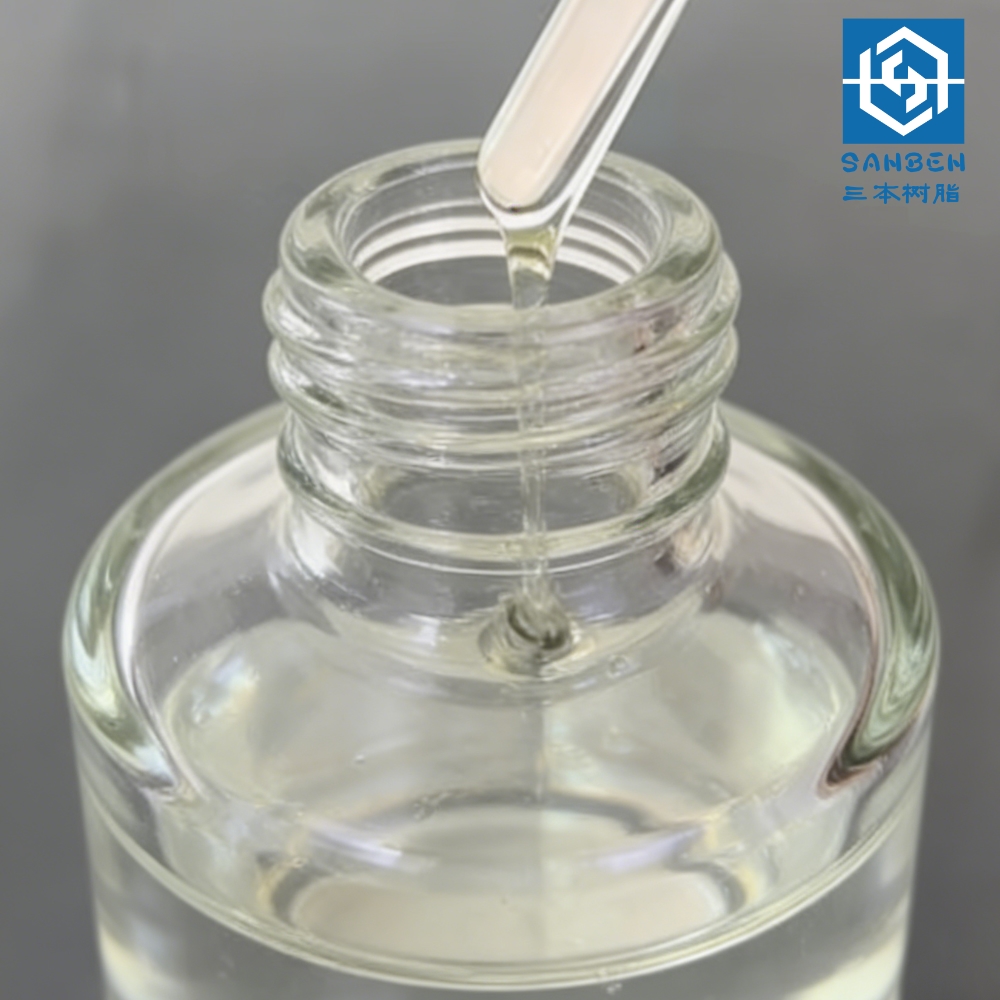
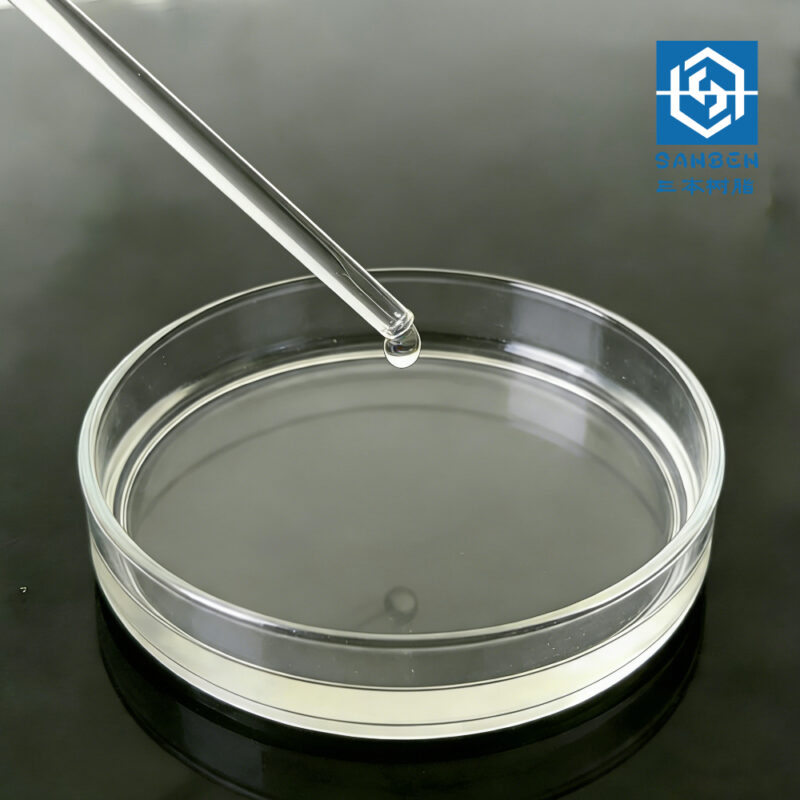
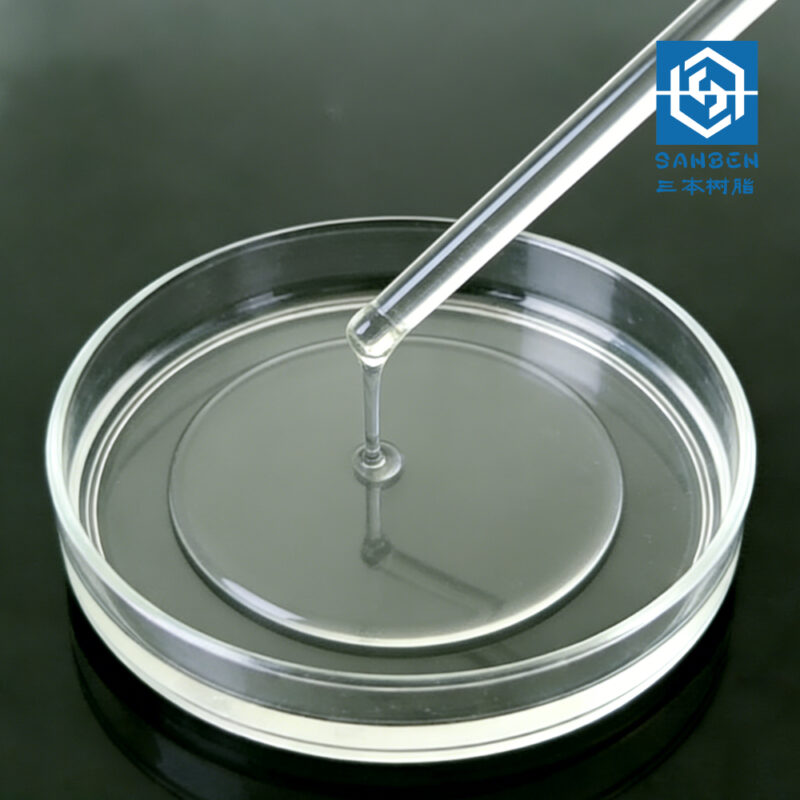
In the world of advanced materials, saturated polyester resin stands out for its unique properties and wide-ranging applications. This thermosetting polymer has become an indispensable component in various industries, from construction and automotive to electrical and electronics. This article explores the characteristics, production, applications, and future prospects of saturated polyester resin, highlighting its significance in modern industrial settings. The content is crafted to meet Google’s indexing standards and the quality expectations of official website content.
The Properties of Saturated Polyester Resin
Saturated polyester resin is known for its exceptional properties, which make it highly desirable for numerous applications:
1. Chemical Resistance: It exhibits excellent resistance to chemicals, including acids, alkalis, and solvents, making it suitable for harsh environments.
2. Thermal Stability: The resin maintains its mechanical properties over a wide temperature range, making it ideal for both high and low-temperature applications.
3. Mechanical Strength: It possesses high tensile and flexural strength, ensuring durability and reliability in various structural applications.
The Production Process of Saturated Polyester Resin
The production of saturated polyester resin involves a multi-step process:
1. Monomer Synthesis: The synthesis of monomers, such as esters, through reactions between organic acids and alcohols, forms the basis of the resin.
2. Polyester Formation: The monomers are then polymerized to form the polyester chain, a process that involves controlled heat and catalysts.
3. Curing: The resulting polyester is cured with a hardener to form a thermosetting plastic, which cannot be remelted or reprocessed.
Applications of Saturated Polyester Resin
Saturated polyester resin finds applications across a diverse range of industries:
1. Construction: It is used in the production of fiber-reinforced plastic (FRP) composites for construction materials, offering strength and durability.
2. Automotive: The resin is integral in the manufacturing of automotive parts, including body panels and interior components, due to its lightweight and strength properties.
3. Electronics: Its excellent dielectric properties make it suitable for electronic encapsulation and insulating applications.
The Role of Saturated Polyester Resin in Industrial Advancements
Saturated polyester resin has played a significant role in industrial advancements:
1. Weight Reduction: Its light weight has enabled the development of more fuel-efficient vehicles and lighter structural components in construction.
2. Cost Efficiency: The resin provides cost-effective solutions by reducing material requirements and enhancing product longevity.
3. Customization: It allows for the creation of custom parts and components with specific properties tailored to unique application needs.
Global Impact and Market Trends
The global impact of saturated polyester resin is significant:
1. International Trade: The resin is traded globally, reflecting its importance in various industrial sectors worldwide.
2. Innovation: Ongoing research and development are leading to new applications and improved formulations of the resin.
3. Sustainability: There is a growing trend towards sustainable production methods and the development of bio-based polyester resins.
Challenges and Opportunities for Saturated Polyester Resin Manufacturers
Manufacturers of saturated polyester resin face both challenges and opportunities:
1. Competition: The market is competitive, with manufacturers continually seeking ways to differentiate their products.
2. Regulatory Compliance: Adhering to strict environmental and safety regulations is a major challenge for producers.
3. Market Expansion: There are opportunities to expand into new markets, particularly in emerging economies with growing industrial sectors.
The Future of Saturated Polyester Resin
The future of saturated polyester resin looks promising:
1. Advanced Materials: The development of advanced composites and new applications will drive demand for the resin.
2. Sustainability: The push for more sustainable materials will lead to innovations in bio-based resins and recycling processes.
3. Market Diversification: The resin is likely to find applications in new areas, such as 3D printing and renewable energy.
Conclusion
Saturated polyester resin is a cornerstone material in modern industrial applications, offering a unique blend of properties that cater to a wide range of needs. Its versatility, durability, and cost-effectiveness have made it a preferred choice for engineers and designers across various sectors. As industries continue to evolve, the role of saturated polyester resin will only grow stronger, driven by innovation, sustainability, and the quest for more efficient and effective materials. The future is bright for saturated polyester resin, as it continues to shape the landscape of industrial manufacturing.